Charcoal vs Clay: Which Cleanser Suits Your Skin?
Both draw out impurities — but they behave very differently. Here's how to choose the right one for your skin type.
- Charcoal suits oily, acne-prone skin; clay is gentler for combination or sensitive skin.
- Over-cleansing strips the barrier — frequency matters as much as the ingredient.
- Formulation is everything: a well-buffered charcoal won't over-dry.
Both charcoal and clay are drawing agents, but they behave differently depending on your skin type. Picking the wrong one is a common reason a "good" cleanser leaves skin tight or breaking out.
Activated charcoal
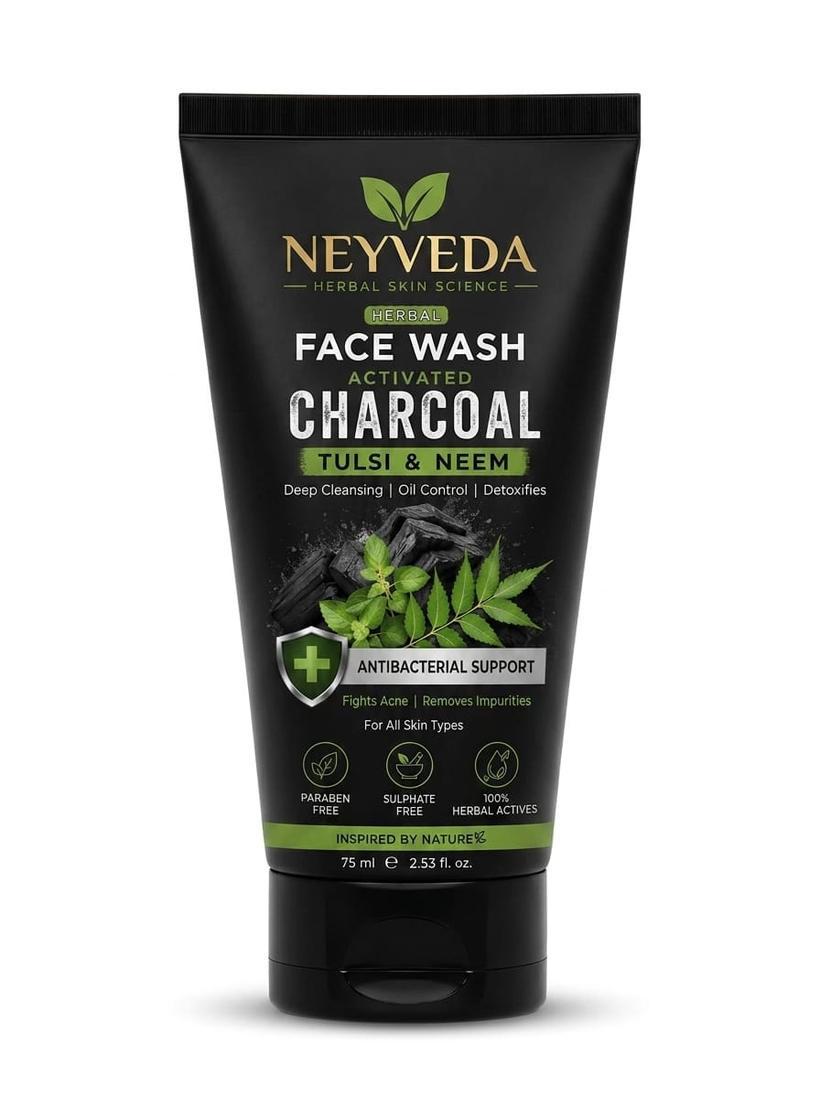
Best for oily or acne-prone skin — draws out excess oil and impurities without over-drying when formulated well. Pair it with tulsi and neem for a calming, clarifying finish.
Clay
Gentler, often better for combination or sensitive skin that can't tolerate daily deep-cleansing. Use two or three times a week rather than daily.
How to decide
If your T-zone is shiny by midday, start with charcoal. If your skin feels reactive or tight, reach for clay and cleanse less often. When in doubt, cleanse less — the barrier repays patience.
Ready to start your ritual?
Explore Neyveda's full range of herbal hair & skin rituals — crafted with 100% natural actives.
Shop the range